
로그인 선택
미리보기
커뮤니티

 23.06.15
글 등록
DEVOTEE를 활성화 시키면
지금 작성한 커뮤니티 글에 대해 1개의 댓글을 달아줍니다.
버튼을 누르면 글 수정 시 ChatGPT가 작성한 댓글이 수정됩니다.
임시저장함
최대 20건까지 저장합니다.
| 컨텐츠 유형 | 제목 | 저장일 | 삭제 |
|---|

본인인증
고객님의 소중한 개인정보보호를 위해
본인인증을 진행해주세요. 본인인증 미 진행 시 로그인이 제한됩니다.
본인인증 로그인에 실패하였습니다.
회원이 아니시거나 본인인증 등록이
완료되지 않은 사용자입니다.
회원정보 연결
(go-08) Go Type - Method, Interface

Golang 올해 마지막 연재글입니다. 이번에는 Method, Interface에 대한 개념을 정리해봅니다.
Method
method 는 struct 에 종속되어 실행할 수 있는 함수라고 생각하면 된다.
struct 에 종속되었다고 표현하는 것을 receiver 라 하며 아래 func (p Person) String() string 메소드를 보면 쉽게 이해가 된다.
type Person struct {
	FirstName string
	LastName  string
	Age       int
}

func (p Person) String() string {
	return fmt.Sprintf("%s, %s, %d", p.FirstName, p.LastName, p.Age)
}

func main() {
	p := Person{
		FirstName: "Seungkyu",
		LastName:  "Ahn",
		Age:       52,
	}
	fmt.Println(p.String())

}
Person 타입의 p.String() 으로 메소드를 호출할 수 있다.
리시버는 포인터 리시버와 밸류 리시버로 나누어 진다.
리시버의 필드 값을 바꾸고 싶다면 포인터 타입을 활용한다(함수에서 포인터 아규먼트를 활용하는 것과 같다).
또한 nil 인스턴스를 활용하고 싶다면 포인터 타입을 쓴다. 리시버의 필드 값을 바꾸고 싶지 않다면 밸류 타입을 쓴다.
func main() {
  var t = Timer{scheduled: time.Now()}
	fmt.Println(t.String())
	t.AddMinute(10)
	fmt.Println(t.String())
	(&t).AddMinute(10)
	fmt.Println(t.String())
}

type Timer struct {
	scheduled time.Time
}

func (t *Timer) AddMinute(m int) {
	t.scheduled = t.scheduled.Add(time.Minute * time.Duration(m))
}

func (t Timer) String() string {
	return fmt.Sprintf("scheduled: %v", t.scheduled)
}

--- output ---
scheduled: 2022-08-29 23:23:23.841625 +0900 KST m=+0.000193377
scheduled: 2022-08-29 23:33:23.841625 +0900 KST
scheduled: 2022-08-29 23:43:23.841625 +0900 KST
Timer 에 scheduled 시간의 값을 변경하기 위해서 포인터 리시버를 사용하여 필드 값을 변경했다.
main 함수에서 Timer 변수를 포인터가 아닌 일반 변수로 선언했음에도 불구하고 t.AddMinute(10) 를 호출한 후에 값이 변경되었음을 알 수 있다.
이는 t.AddMinute(10) 과 (&t).AddMinute(10) 이 동일하기 때문이다.
func main() {
  adder := Adder{start: 10}
	fmt.Println(adder.Add(10))

	func1 := adder.Add // method value
	fmt.Println(func1(10))

	func2 := Adder.Add // method expression
	fmt.Println(func2(adder, 10))
}

type Adder struct {
	start int
}

func (a Adder) Add(val int) int {
	return a.start + val
}

--- output ---
20
20
20
method 는 function 과 비슷하다. method 를 변수에 할당할 수 있으며 이를 method value 라고 한다.
타입 자체 method 로 부터 function 을 생성할 수 있는데 이를 method expression 이라고 하며 첫번째 파라미터로 리시버를 전달한다.
type Animal int
const (
	dog Animal = iota
	cat
	cow
	pig
)
fmt.Println(dog, cat, cow, pig)

--- output ---
0 1 2 3
const 와 iota 를 활용하면 enum 처럼 사용할 수 있다.
type Logic interface {
	Process(s string) string
}

type Client struct {
	L Logic
}

func (c Client) Program() {
	p := c.L.Process("My Process")
	fmt.Println(p)
}

// 나만의 Process 로직 만들기
type MyLogic struct{}

func (ml MyLogic) Process(s string) string {
	return fmt.Sprintf("%s is working", s)
}

func main() {
  c := Client{
		L: MyLogic{},
	}
	c.Program()
}

--- output ---
My Process is working
Interface
interface 를 잘 활용하면 다형성과 같은 개념을 사용할 수 있다.
interface 선언 (Logic interface)
struct 선언 - 필드로 interface 를 가짐 (Client struct)
리시버의 메소드 구현 (Client struct 의 interface 호출)
커스텀 struct 선언 (MyLogic struct)
MyLogic 리시버의 Logic interface 구현 메소드 선언 - 커스텀 비즈니스 로직 구현
struct 의 필드로 interface 가진다는 의미는 해당 interface 를 구현한 어떠한 struct 도 넣을 수 있다는 의미이다.
var s *string
fmt.Println(s == nil)
var i interface{}
fmt.Println(i == nil)
i = s
fmt.Println(i == nil)

--- output ---
true
true
false
interface 는 zero value 로 nil 을 갖는다.
type MyInt int
var i interface{}
var mi MyInt = 10
i = mi
fmt.Println(i.(MyInt) + 1)

i2, ok := i.(int)
if !ok {
	fmt.Println(fmt.Errorf("unexpected type for %v", i))
	return
}
fmt.Println(i2 + 1)

--- output ---
11
unexpected type for 10
interface 는 interface.(Type) 으로 형변환 가능하다.
type MyInt int

type MyRead struct{}

func (m MyRead) Read(p []byte) (n int, err error) {
	return 0, nil
}

func check(i interface{}) {
	switch j := i.(type) {
	case nil:
		fmt.Printf("j: %T\n", j)
	case int:
		fmt.Printf("j: %T\n", j)
	case MyInt:
		fmt.Printf("j: %T\n", j)
	case io.Reader:
		fmt.Printf("j: %T\n", j)
	case string:
		fmt.Printf("j: %T\n", j)
	case bool, rune:
		fmt.Printf("j: %T\n", j)
	default:
		fmt.Printf("j: %T\n", j)
	}
}

func main() {
	var a interface{}
	check(a)

	var b int
	check(b)

	var c MyInt
	check(c)

	var d bool
	check(d)

	var e rune
	check(e)

	var f MyRead
	check(f)

	var g string
	check(g)
}

--- output ---
j: <nil>
j: int
j: main.MyInt
j: bool
j: int32
j: main.MyRead
j: string
interface{} 를 받아서 타입을 체크하는 로직을 넣을 수 있다.
Interface 를 활용한 방법을 알아보자. 먼저 DataStore 와 Logger interface 를 만든다.
type DataStore interface {
	UserNameForID(userID string) (string, bool)
}

type Logger interface {
	Log(message string)
}
LoggerAdapter 는 Log 메소드를 구현한 함수하기 때문에 Logger 타입이다.
type LoggerAdapter func(message string)

func (lg LoggerAdapter) Log(message string) {
	lg(message)
}

func LogOutput(message string) {
	fmt.Println(message)
}
type 이 함수이면 다음과 같이 사용할 수 있다.
즉 LogOutput 함수를 LoggerAdapter 함수로 타입을 변환한다. 이렇게 되면 LogOutput 은 결론적으로 Logger 타입이라 할 수 있다.
l := LoggerAdapter(LogOutput)SimpleDataStore 는 UserNameForID 메소드를 구현했으므로 DataStore 타입이다.
type SimpleDataStore struct {
	userData map[string]string
}

func (sds SimpleDataStore) UserNameForID(userID string) (string, bool) {
	name, ok := sds.userData[userID]
	return name, ok
}

func NewSimpleDataStore() SimpleDataStore {
	return SimpleDataStore{
		userData: map[string]string{
			"1": "Fred",
			"2": "Mary",
			"3": "Pat",
		},
	}
}
SimpleLogic 은 Logger 아 DataStore 인터페이스를 가지는 struct 이다.
또한 BusinessLogic 인터페이스를 구현하였기 때문에 BusinessLogic 타입 이기도 하다.
// business logic
type BusinessLogic interface {
	SayHello(userID string) (string, error)
}

type SimpleLogic struct {
	l  Logger
	ds DataStore
}

func (sl SimpleLogic) SayHello(userID string) (string, error) {
	sl.l.Log("in SayHello for " + userID)
	name, ok := sl.ds.UserNameForID(userID)
	if !ok {
		return "", errors.New("unknown user")
	}
	return "Hello, " + name, nil
}

func (sl SimpleLogic) SayGoodbye(userID string) (string, error) {
	sl.l.Log("in SayGoodbye for " + userID)
	name, ok := sl.ds.UserNameForID(userID)
	if !ok {
		return "", errors.New("unknown user")
	}
	return "Goodbye, " + name, nil
}

func NewSimpleLogic(l Logger, ds DataStore) SimpleLogic {
	return SimpleLogic{
		l:  l,
		ds: ds,
	}
}
Controller 는 Logger 아 BusinessLogic 을 가진 struct 이다.
type Controller struct {
	l     Logger
	logic BusinessLogic
}

func (c Controller) Greeting(w http.ResponseWriter, r *http.Request) {
	c.l.Log("In SayHello")
	userID := r.URL.Query().Get("user_id")
	message, err := c.logic.SayHello(userID)
	if err != nil {
		w.WriteHeader(http.StatusBadRequest)
		w.Write([]byte(err.Error()))
		return
	}
	w.Write([]byte(message))
}

func NewController(l Logger, bl BusinessLogic) Controller {
	return Controller{
		l:     l,
		logic: bl,
	}
}
func main() {
l := LoggerAdapter(LogOutput)
ds := NewSimpleDataStore()
logic := NewSimpleLogic(l, ds)
c := NewController(l, logic)
http.HandleFunc("/hello", c.Greeting)
http.ListenAndServe(":7777", nil)
}
$ curl -X GET "localhost:7777/hello?user_id=1"
Hello, Fredseungkyua 님의 최신 블로그
더보기-

- Kubernetes 배포 및 설정 단계별 설명
- Kubernetes 로 개발을 하다보면 이를 위한 cluster 가 하나씩은 있어야 한다. 로컬에 vm 이나 클라우드에 싱글 vm 을 받았다면 아래와 같이 kubeadm 을 활용하여 나만의 클러스터를 구축할 수 있다. 단계적으로 설정하는 방법을 설명하고 있으니 이를 그대로 따라하면 된다. 1. sudo 사용자 추가, 보안 s/w 내리기, swap off $ sudo adduser ask $ cat 〈〈 EOF | sudo tee /etc/sudoers.d/sudoers-ask ask ALL=(ALL:ALL) NOPASSWD:ALL EOF $ sudo systemctl stop ufw $ sudo systemctl disable ufw $ sudo systemctl...
-
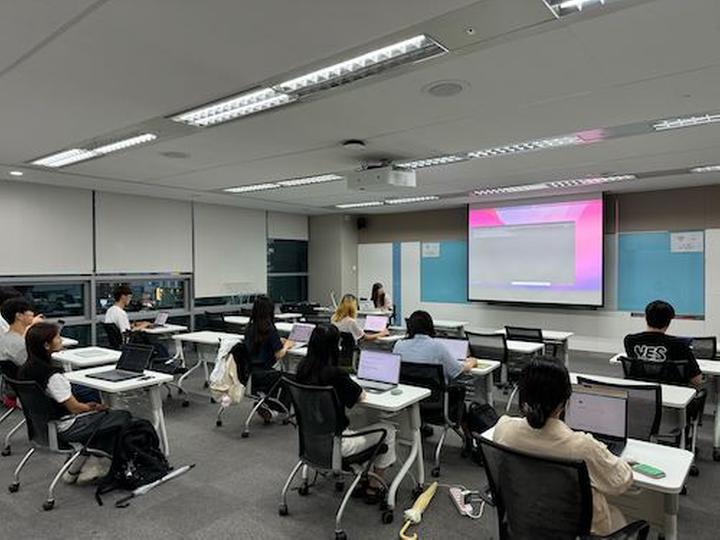
- OpenLab - Deep Dive Kubernetes 7번째 마지막 스터디
- 벌써 마지막 스터디네요. 처음 쿠버네티스의 기본 개념과 활용법을 스터디하고, ArgoCD 를 활용한 GitOps CD 를 공부하고, Go 언어와 커스텀 컨트롤러를 거쳐서, Kubeflow 까지 왔습니다. 7/16(화)에는 OpenLab - Deep Dive Kubernetes 스터디 7번째 마지막 모임이 있었습니다. 이번 스터디 주제는 Kubeflow 의 활용법 입니다. Kubeflow 의 기능은 다양한데, 대표적인 기능이 Pipeline 을 활용한 workflow 만들기와 Katib 를 이용한 hyperparameter tuning, 그리고, KServe 를 활용한 모델 서빙이 있습니다. 오늘은 위 3가지를 모두 공부했습니다. 1가지만 해도 2시간 이상은 필요한...
-
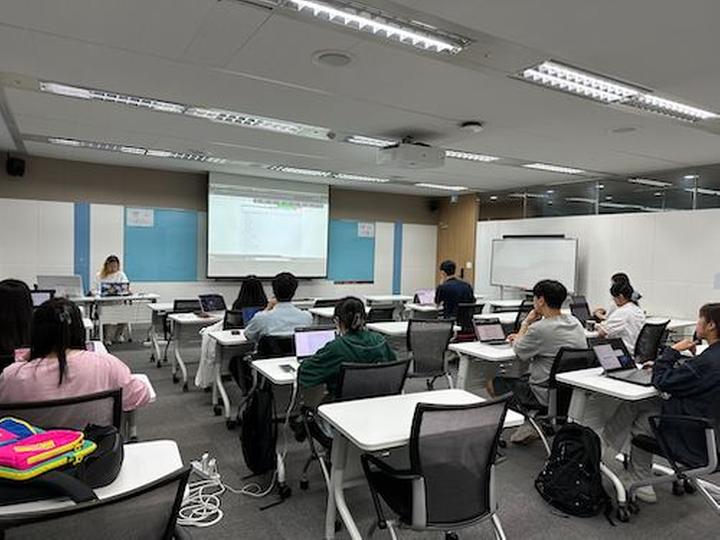
- OpenLab - Deep Dive Kubernetes 6번째 스터디
- 안녕하세요. 7/2(화)에는 OpenLab - Deep Dive Kubernetes 스터디 6번째 모임이 있었습니다. 이번과 마지막 7번째 스터디 2회에 걸쳐서 Kubeflow 에 대해서 공부합니다. 이번 스터디 주제는 Kubeflow 설치 및 대시보드 띄우기입니다. Kubeflow 는 많은 컴포넌트로 구성되어 있어 설치하는 것만도 쉽지가 않습니다. 그래서 이번에는 Kubeflow 를 설치하고 화면을 직접 접속해 보는 것을 스터디 주제로 정했습니다 물론, 다음 마지막 스터디에서는 Kubeflow 를 어떻게 활용하는지 활용 방법과 기능에 대해서 살펴볼 예정입니다. 금번 스터디 내용은 아래와 같습니다. Kubeflow Kubeflow 설치하기 KServe 설치하기 (...
-
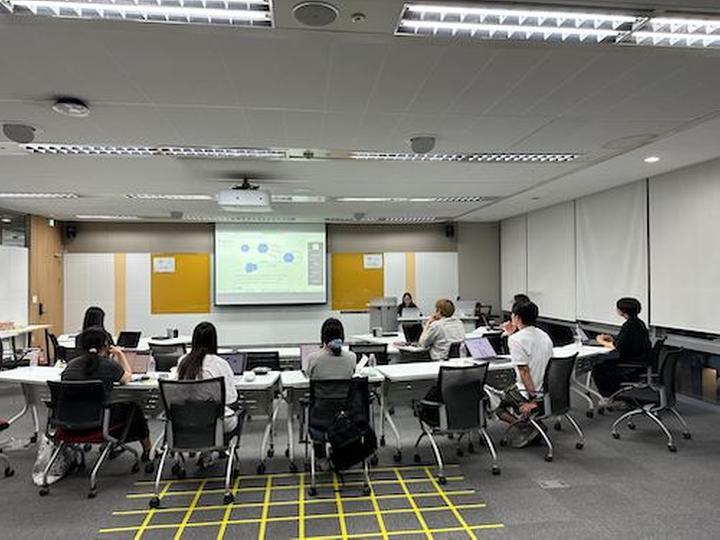
- OpenLab - Deep Dive Kubernetes 5번째 스터디
- 안녕하세요. 지난 6/17(월)에는 OpenLab - Deep Dive Kubernetes 스터디 5번째 모임이 있었습니다. 이번 모임으로 벌써 스터디의 2/3 가 지났네요. :) 이번 스터디 주제는 지난번 스터디의 연속인 custom controller 만들기 두번째 입니다. 지난번 스터디가 Custom Controller 를 만들기 위한 Go 언어에 대한 스터디 였다면, 이번에는 Kubebuilder 로 직접 Go 언어 코드 프로그래밍을 해보는 시간이었습니다. 금번 스터디 내용 Kubebuilder https://book.kubebuilder.io/ kubebuilder 아키텍처 살펴보기 controller-runtime 은 무엇인가? kubebuilder 로...

DEVOTEE를 활성화 시키면
지금 작성한 댓글에 AI가 댓글을 달아줍니다.